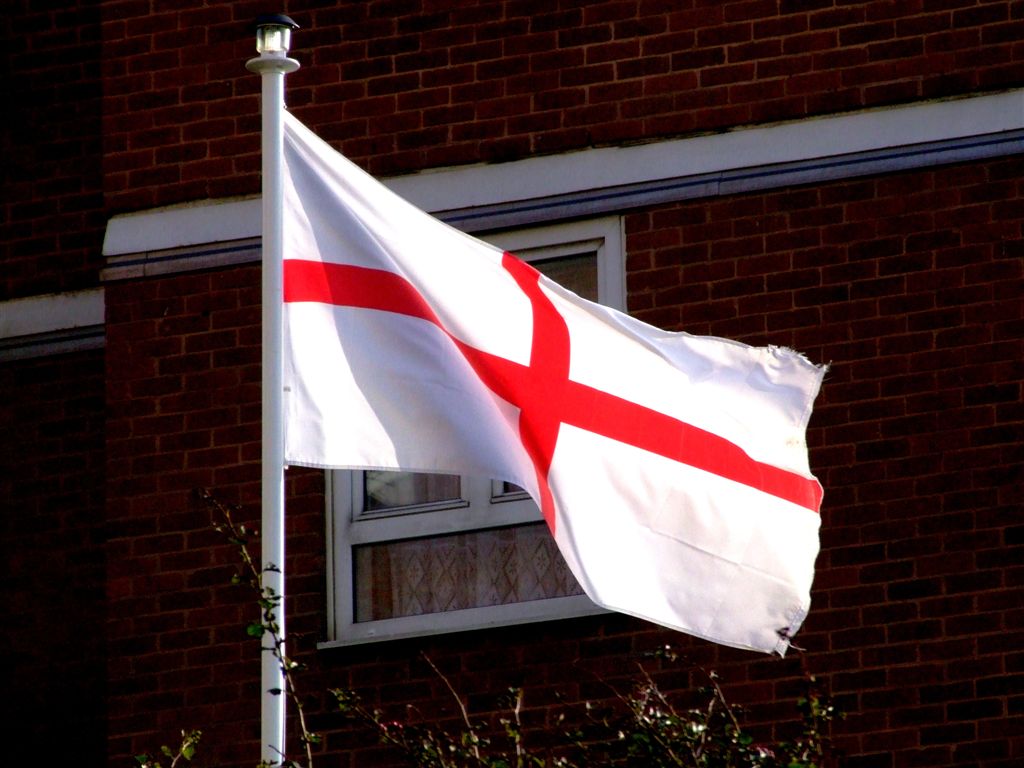
According to a recent poll just 41% of young people felt national pride, crashing down from 80% in 2004. The idea of patriotism is losing ground and 85% of Brits say the UK is divided. However I would argue not only do we need British patriotism to unite the country, but we have more reason than most to be patriotic.
Patriotism is not nationalism. Patriotism is simply “love for or devotion to one’s country” whereas nationalism is “an ideology that elevates one nation or nationality above all others and that places primary emphasis on promotion of its culture and interests as opposed to those of other nations, nationalities, or supranational groups”.
In the words of Charles de Gaulle “patriotism is when love of your own people comes first; nationalism, when hate for people other than your own comes first.”
Nationalism is associated with the worst of human instincts; insular, exclusionary and hateful. The history of Europe in the 20th century has cemented that in our modern minds when European nations went to war twice over nationalist ideals, most notoriously with Hitler’s Germany embracing an especially evil idea of nationalism.
The far right dominates narratives about patriotism from the UK and beyond and in reaction, the left tends to shun it. It isn’t an inherently good or bad, left or right concept.
In fact, real patriots can show just how unpatriotic people on the far right are.
World War Two (WW2) is exactly why Britain should believe in patriotism for it was this country, with its allies, that repelled the nationalist Nazis from achieving world domination as they saw it.
Many may see patriotism as exclusionary and belonging only to those who are White British and right wing.
This may go part why to explaining why an Ipsos poll found that 52% say that there is tension between immigrants and people born in Britain and 42% for people of different ethnicities.
After all, as we are rightly educated about how the British Empire, under the Union Jack, colonised much of the modern developing world many people who have ancestors from colonised nations may not feel patriotic of a country that on the face of it was the historical enemy.
This telling of history may also add to (incorrect) idea that we are fundamentally different or even historical enemies. In addition, many White British youth may feel a guilt in being British due to this history and shun this feeling.
However, this isn’t an accurate telling of the story. Whilst the British Empire undoubtedly committed crimes across the world, this isn’t the end of the story for the British or the colonies. The British Empire aided the ending of sati (widow burning) for instance.
Arguing the Empire is something to be proud of is a harder sell and not something I wish to argue however due to the inarguable crimes such as the Amritsar massacre in 1919 in which British troops shot dead thousands of unarmed civilians. Events such as this may explain why ideas of pride in Britain are hard for many to bare, especially the youth who are rightly taught this history in schools more than their parents/grandparents were, and people arguing for a patriotic Britain should not ignore or downplay these incidents.
But why should Britain be more beholden to events of the Empire than its more recent history and why should the story end over events more than one hundred years ago now when nobody who is alive now lived, rather than what happened in the lifetime of many of our grandparents?
World War Two is not an ancient relic by contrast. A still significant percentage of the world was born before or during those terrible years for human history in which the world was forced to take on the threat of the Nazi regime, aided by the Axis including Italy and Japan.
Over 6 million commonwealth soldiers fought alongside the British armed forces with pride in WW2. Many of the immigrants to this nation or, like me, British born descendants of immigrants should be proud of this fact for it was countries such as India, Canada, Nigeria, Jamaica who contributed men and women in favour of the British war effort.
I am from a Sikh background with grandparents from the Punjab, India and the issues of Empire and World War Two are unique for us and may explain why Sikhs are especially patriotic of Britain compared to many ethnic groups. In 2013, 95% of Sikhs, the vast majority of which either born in India or children of those who were, were proud to be from Britain. Compare this to the 41% number and something, clearly, has gone wrong.
So, the question is, should I look at isolated incidents such as the Amritsar massacre of 1919 and be angry or look to the 400,000 who bravely served for this great country more recently and be proud? Which makes more sense?
The truth is, the story of WW2 should be just as much a point of pride for the White British as it is for the many Africans, Canadians, Indians etc. who find themselves here, but we seem to have missed that boat, instead beholden to the guilt complex of a minority who want us to instead remember the crimes of yesteryear.
People also seem to forget that many of us who are of different ethnicities are English. I was born and raised in England and proud to be English and I am culturally English for the most part.
Despite the loud barking of an ethnonationalist racist minority such as Konstantin Kisin, a Russian immigrant, who recently claimed that Sunak was not English because he was a “brown Hindu” , a clear majority correctly believe people can be English regardless of skin tone.
Those who push for such racist narratives only divide us more and are unhelpful and should be shunned by the left and right alike. By telling people of colour that we can never be English you only push them, including ones who genuinely wish to be English and patriotic, to instead embrace their immigrant culture which furthers the division between different ethnicities.
At its worst it can be outright dangerous. The tiny and deplorable minority of British Muslims who become jihadist terrorists are patently less likely to get to that point if they feel British in the first place and accepted by the native population. By shunning them, we risk security threats to our nation.
Once we have established that most of the people in this country, immigrants or otherwise, white or otherwise have more in common historically than which divides us the question is what do we have to be proud about?
More than most. On the battlefield not only did Britain repel the Nazi regime in the 1940s, but Britain has also always been at the forefront of cultural excellence.
The Beatles from Liverpool became the world’s greatest band in the 1960s with a legacy unmatched to this day. The Premier League is seen as the pinnacle of world club football. William Shakespeare is quite possibly the world’s most influential single author with his texts being taught around the world and Hollywood films to this day essentially copying the Shakespearean models of storytelling.
Immigration from the colonies has also contributed to the cultural excellence of this nation, making the case for an inclusive patriotism even stronger.
In 2001, British Foreign Secretary Robin Cook declared chicken tikka masala a “true British national dish” for whilst its roots lay in the subcontinent, it was a meal invented in 1970s Scotland with Pakistani and Bangladeshi chefs most often cited as the likely origin.
Garage music is a British music genre, blending Jamaican and London sounds to create something only created in Britain.
Without some semblance of British patriotism, none of this means anything. We are all just without identity, without history and without culture.
Much of the tourism to Britain relies on the power of British cultural excellence and if we forget that, instead making ourselves formless citizens of the world, we are no different to anywhere else.
The UK ranked 20th in the World Happiness Index for happiest countries. We are clearly a country of problems; rising cost of living, inequality, ethnic divisions and facing global threats.
But it is important to remember that, overall, we are relatively happy compared to most of the world.
In the face of rising ethnic tensions which came to a head last summer, mass immigration, threats from Russia, Islamist extremists and China who wish to divide and weaken us, we need unity more than ever.
 Amun Bains Journalist
Leave a comment